Ok now, you are probably here because you want to improve your results or get more control over your camera. Let’s take out some guesswork and frustration and replace it with knowledge and predictable results.
Just let me have the free videos please.
I know, you just want to go out and take some photos already. Well, we will have you set up with some short cuts within moments, with our Camera Settings Quick Start Guide. Surely it’s not all that simple? Yes it is. There is a fair bit to know, but by taking control over your camera little by little you will soon have the power to make a photo appear how you see it in your mind. Your creativity will explode as the mysteries hidden in all those numbers, menus, dials and buttons turn into your ticket to artistic freedom. I learned photography years ago, on film and manual cameras. It took ages for it become second nature to me, but we will get you there really FAST. Lucky for you now, we can have you out producing great results long before you know much at all about the mechanics of what is going on, with some simple shortcuts to get you started quickly, and start putting you in command. Hey, I know the frustration, you take a photo and what appears on the screen is not what you had expected. You are probably not sure what to do to fix the problem. Now, the Camera Settings Quick Guide includes “How to make it better”. The Camera Settings Quick Guide videos will quickly put you in command of f-Stops, Shutter Speed and ISO without the arduous learning curve once necessary to learn Photography. You will soon have mastery over the secrets trapped inside that seemingly complex new camera you have.
These videos are short and to the point, each one taking you another step out of the dark, so you can easily apply your new understanding the very next time you use your camera. The quick start guide that came with your camera will have had you start of in the green “auto” mode (blue on Olympus). This is great and actually works very well much of the time, but you have no control over anything the camera is doing, and don’t know what the camera is doing which is even worse for an intelligent person like yourself (well yes, if you have read this far, you are well ahead of most people who buy a fancy camera). Go and get your Nikon, Canon, Pentax, Olympus or Sony camera with you. Have the manual handy for reference. First step, set the mode dial to P. This instantly gives you the power to FIX problems on the fly. In green auto mode, you have no access to many enabling features. As a default the camera should be in auto focus, auto ISO, and multi pattern metering (Matrix on Nikon, ESP on Olympus and Evaluative on Canon). If you think you may have gotten them off, check your manual on how to get them back, or do a camera reset. Your camera may not allow you to have auto ISO in P mode, so you will have to set it to 100 or 200 for bright sunlight, 400 for shade or overcast and 800 or above for dark or inside) Now that you are on P, you have access to Exposure Compensator (+/-). Knowing how to use Exposure Compensator is the beginning of your freedom. Your confidence will start to soar, and confidence must never be underestimated. Your confidence will start to show in better expressions on the people you photograph at the least. Your confidence will improve as you gain mastery over your Camera Settings .

Kids, pets, family functions are dynamic moving subjects, you don’t have time to be thinking of camera settings, you need them to be second nature. Learn from your mistakes, as a faulty image appears on your screen, learn from it, delete it and retake it with your adjustments.
Get the videos, keep your camera handy. You can pause and rewind to go over it as many times as you need to. You will have command over your images in record time. would be surprised at how quickly you’ll learn from watching the same thing twice. Your camera, while being designed for easy use, is actually quite complex to take control over, which you will need to do if you are to improve your photography. This is what we are going to teach you now.
The Quickstart video is now available in the members area with the other tutorial videos:
Join us as a subscriber to get the videos, and for updates and tips from time to time.
By Andrew Howes
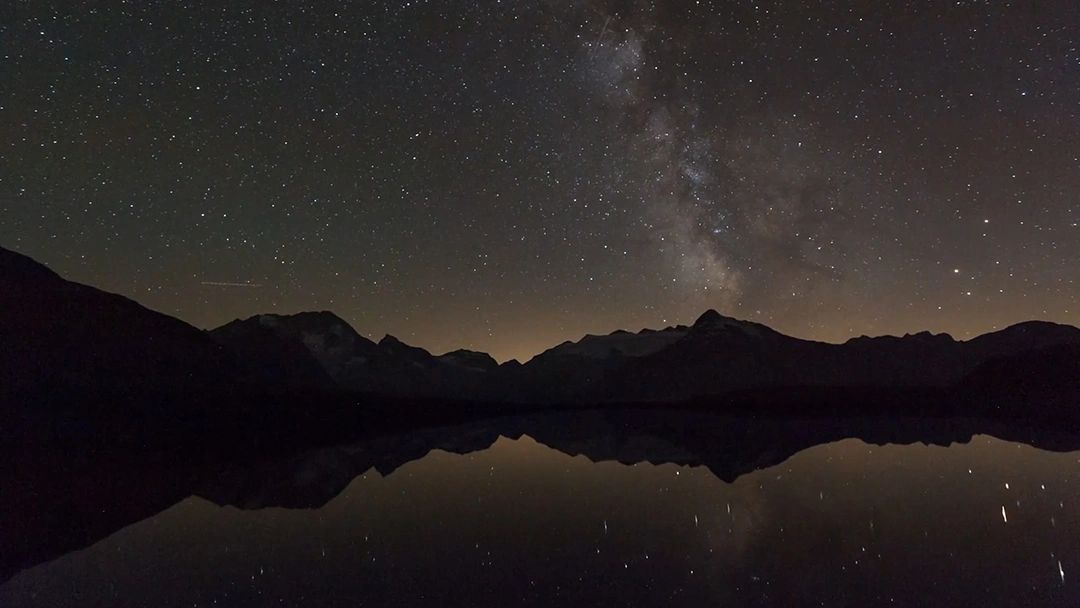
This is a video tutorial discussing the basics of photographing non-star trails stars and a little about meteor showers. It covers different topics into depth: high apertures, lens choice, slow shutter speeds, low / high ISO / ASA sensitivities, best camera settings, suggested exposure settings, tripod combination choice, triggering methods, and so much more. Example photographs are also included in this tutorial as well.
http://froknowsphoto.com/?p=3304
This week Mark explains how to shoot in manual mode.
Here is a quick setup on how to trigger your Canon camera remotely using 2 Pocket Wizards and the correct cable. Check out our website for sports photos and more at www.justinuriahphotography.com
7D Camera Settings. 7D Canon. 7D Video. 7D Cinema. 7D Slow Motion. EOS 7D Camera. Digital Cam. 1080p. 24fps. Canon 7D Camera. Konica Minolta. 5D Camera 5D photography. Advertisement film making. Latest film shooting camera.
In Part 5, Matt runs through 12 shots giving full shooting details, technique and explaination of how and why he chose the settings. He also presents a few that didn’t work perfectly, and talks them through too.
Sample images: http://www.flickr.com/photos/banefox/sets/72157626743876680/
hey there !
Improve your video production with a Canon XH A1 video camera by learning how to use the wide angle adapter in this free production video.